The Fool’s Journey
“April Fools!” is a surprisingly international cry, and has been literally for centuries. People in both the northern and southern hemispheres, in the east and in the west, have all loved to participate in the pranks and playfulness of April Fools’ Day on the first day of the fourth month of every year since at least the mid-sixteenth century. But what does it mean to be a fool, on April 1 or any other day? - READ MORE
4/1/20263 min read
“April Fools!” is a surprisingly international cry, and has been literally for centuries. People in both the northern and southern hemispheres, in the east and in the west, have all loved to participate in the pranks and playfulness of April Fools’ Day on the first day of the fourth month of every year since at least the mid-sixteenth century. But what does it mean to be a fool, on April 1 or any other day?
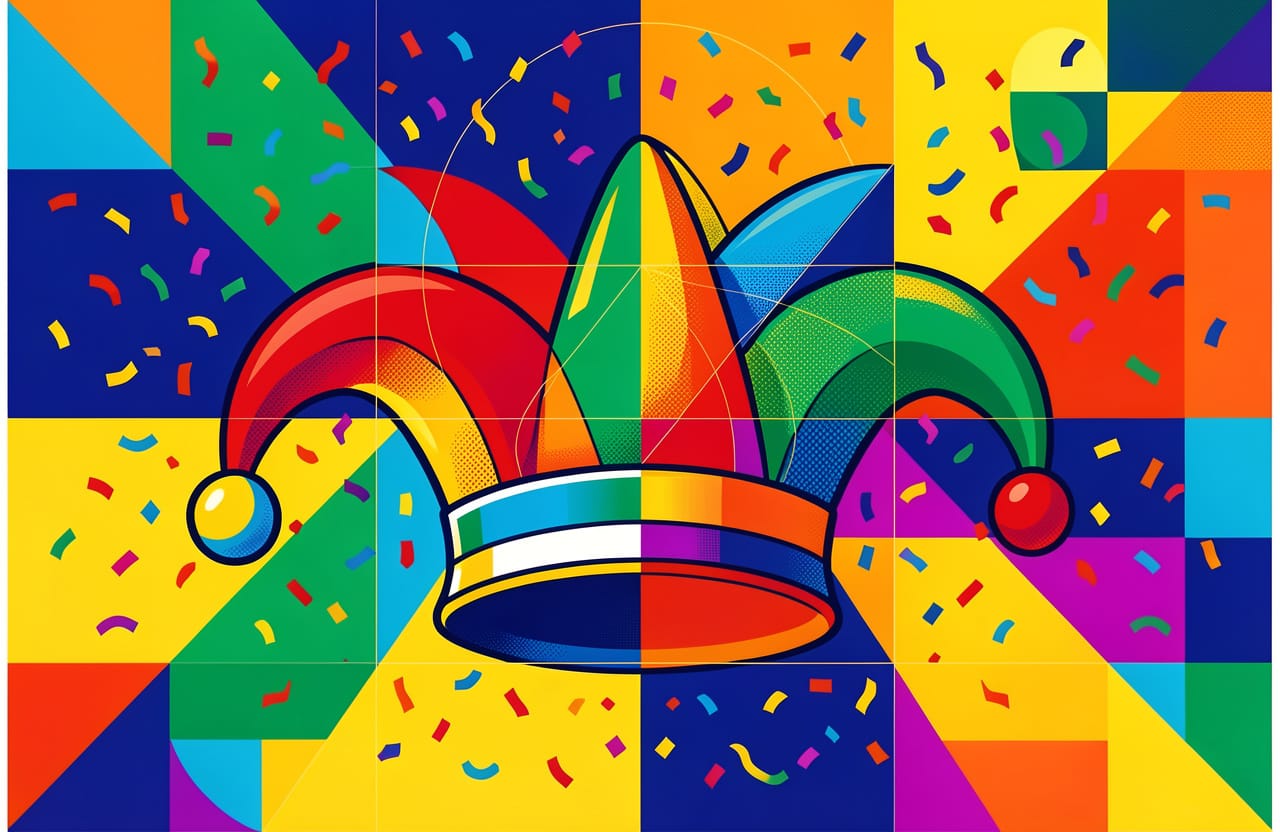
Let’s start with the etymology of the word itself. The word ‘fool’ in the English language traces its roots to the Latin ‘follis’, meaning a ‘windbag’, an empty-headed person. But over time, its meaning has changed: in the 1300s, it meant a jester or joker, in the 1400s we first encounter the ‘fool’s journey’ in Tarot cards, and in the 1500s it meant ‘to deceive’, thus making the transition from noun to verb. Nowadays, we use the word in all these senses. What I’d like to focus on here, though, is the idea that we are all fools in various ways at various times throughout our lives, and that this is not necessarily a bad thing.
If we think of the fool as being an empty-headed person, this gives us the opportunity to fill our heads with non-foolish things. Just as the fool of the Tarot begins his journey, we can begin our own quests for knowledge, or wisdom, from a place of innocence, acknowledging that we know very little, that our journey may bring both pain and pleasure, and that we will perhaps learn unexpected things in unexpected ways. As the great Socrates pointed out, knowing that we know nothing allows us the opportunity to learn more.
There are of course both advantages and disadvantages to this and therein lies a paradox. On the one hand, if we are open to new experiences and new perspectives, we are far more likely to make unexpected discoveries on our personal and professional paths. On the other hand, that openness can lead us into more perilous situations. Yet, it is exactly this discomfort that can lead to the most profound insights. I am not in favour of expecting people to step outside of their comfort zones in their personal lives before they are ready; in fact, doing so can cause deep and lasting harms. However, there are advantages in doing so in our research, writing, and teaching journeys.
Recently I had the great privilege and pleasure of working on a translation project in the field of economics and organizational theory. The basic premise of the argument presented was that instead of simply accepting Western theories of rational actors as being the best and indeed only way of doing business, we need to look at the cultural context in which businesses are situated. What works in a highly individualistic, capitalistic social order might not be the best choice for societies where cooperation and the overall social good are of greater importance. In other words, as researchers, teachers, and scholars, we need to pay attention to disciplines outside of our own silos – our own comfort zones. We need to be like the fool, approaching the world with wonder and openness.
And we would do well to remember that we all started our life journeys as fools. As young children, we set out with an openness to experience, and we learn new things at each step of the way. Retaining that openness does not make us fools; rather, it makes us lifelong learners. As teachers, especially, this is important. We all (I hope) tell our students that there’s no such thing as a ‘stupid’ or foolish question. Inculcating a sense of wonder and curiosity in our students, and in ourselves, is one of the greatest lessons we can both give and receive. And we can extend that grace we give to our students to ourselves – what ‘foolish’ questions can we ask of our own work?
As we all delight in April Fools’ Day this year, let’s keep in mind that being the fool is not about being empty-headed, but about being open to new ideas, new wisdom, and new experiences. We needn’t be gullible, or naïve, and of course we can and should use the wisdom we have already gained to evaluate these new ideas and experiences, but we should remain open to them.
April Fools’ Day brings a welcome relief to play and joke as we in the northern hemisphere glimpse the end of the long nights of winter and look hopefully to the new journeys that Spring might offer. For those in the south, it is a chance to celebrate summer and to settle into the quiet pleasures of cosier nights. Wherever you are, I wish you a happy April Fools’ Day, and may you find much joy and delight as you continue on your journey with openness and wonder.